The New AI Voice Models: Gemini 3.8 TTS and MAI-Voice-2.1
Google and Microsoft both shipped new voice models. Design a voice from a prompt, clone one from 30 seconds, keep one voice in 23 languages — and what it costs.
By the WorkCrafter team · how we write these guides
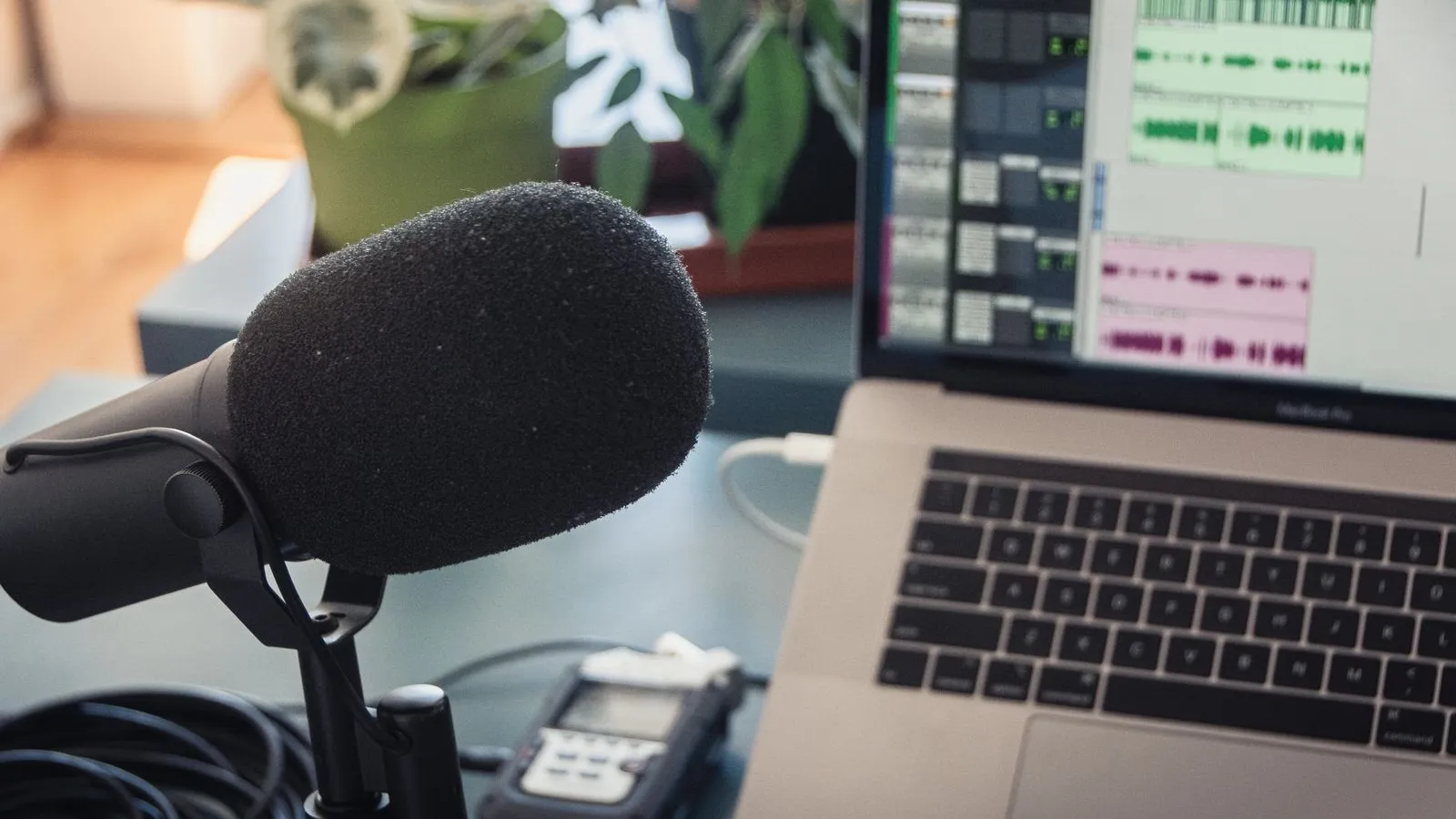
Google released Gemini 3.8 Flash TTS and Flash-Lite TTS on September 23, 2026, and Microsoft followed with MAI-Voice-2.1 on October 1. Choose Gemini to design voices and direct a performance line by line; choose MAI-Voice-2.1 to keep one brand voice across 23 languages at a published per-character price.
Gemini 3.8 TTS at a glance
- Two models: Flash TTS for creative direction and Flash-Lite TTS for cheaper, high-volume dubbing.
- More than 100 languages and dialects, a library of 2,000+ ready-made voices, and new voices created from a text prompt.
- Voice cloning from a 30-second sample, only with a recorded consent statement from the voice owner.
- Available in the Gemini API and Google AI Studio; Flash also in Gemini Notebook, Flash-Lite in Google Vids. No price was given in the announcement.
MAI-Voice-2.1 at a glance
- 23 languages and 26 locales, with one voice that keeps a native accent in each language.
- $22 per million characters; the faster MAI-Voice-2.1-Flash costs $15 per million characters.
- Voice cloning from a few seconds of audio, with consent guardrails.
- Available in Microsoft Foundry, the MAI Playground, OpenRouter and Vercel.
What each one is good at
Gemini 3.8 TTS works like a small recording studio. You describe a voice — "an energetic radio DJ from Melbourne" — then direct each line: pace, emotion, whispers, and non-verbal cues such as <laughs> or <sigh>. It handles two speakers in one script, which suits podcasts and dialogue scenes. Every clip carries Google's SynthID watermark.
MAI-Voice-2.1 focuses on multilingual consistency: the same voice can answer in English, then Mandarin, then German, without dragging one accent across languages. Microsoft says the Flash variant produces 45 seconds of audio with 150 ms end-to-end latency, which fits live voice agents. Microsoft also launched MAI-Transcribe-2-Streaming for live transcription in 60 languages, at an introductory $0.54 per hour of audio until the end of the year.
How to use the new voice models
- Gemini 3.8 TTS: open the speech page in Google AI Studio, describe a voice or pick one, then paste your script into the two-speaker editor and add stage directions.
- To clone a voice with Gemini, record the owner reading the consent statement, then upload a 30-second sample. Google does not offer this in Illinois, Texas, the EEA, the UK, Switzerland or India.
- MAI-Voice-2.1: try it in the MAI Playground, then call it through Microsoft Foundry or OpenRouter.
- On WorkCrafter, the audio tool turns a script into a voice-over in many languages without an API key, and the dubbing guide shows how to translate an existing video.
Our tips for AI voices
- Write for the ear: short sentences, numbers spelled the way they are spoken, one idea per line.
- Only clone voices you own or have written permission to use; both vendors check consent.
- For audiobooks or long podcasts, generate chapter by chapter and listen to the joins before you publish.
- For a multilingual channel, test one voice in your three main languages before recording a full series.
More on AI voices and WorkCrafter
- The AI Audio Tool: A Complete Guide to AI Voice Generation
- AI Voice-Over vs a Voice Actor: The Honest Comparison
- Dub Your Videos Into 18 Languages Without Re-Recording
- Open the audio generator
Sources on AI voices
- Gemini 3.8 text-to-speech says hello — Google, September 23, 2026. Models, languages, voice library, 30-second cloning and consent, regional limits, availability.
- Our first streaming transcription model debuts at no. 1 on Artificial Analysis — Microsoft AI, October 1, 2026. MAI-Voice-2.1 languages and prices, Flash latency, Transcribe-2-Streaming languages and price, availability.