The AI Dubbing Tool: A Complete Guide to Voice Translation and Localization
How to use WorkCrafter's AI dubbing tool — translate and dub videos into other languages, clone and design voices, isolate and clean up audio, and add sound effects with AI.
By the WorkCrafter team · how we write these guides
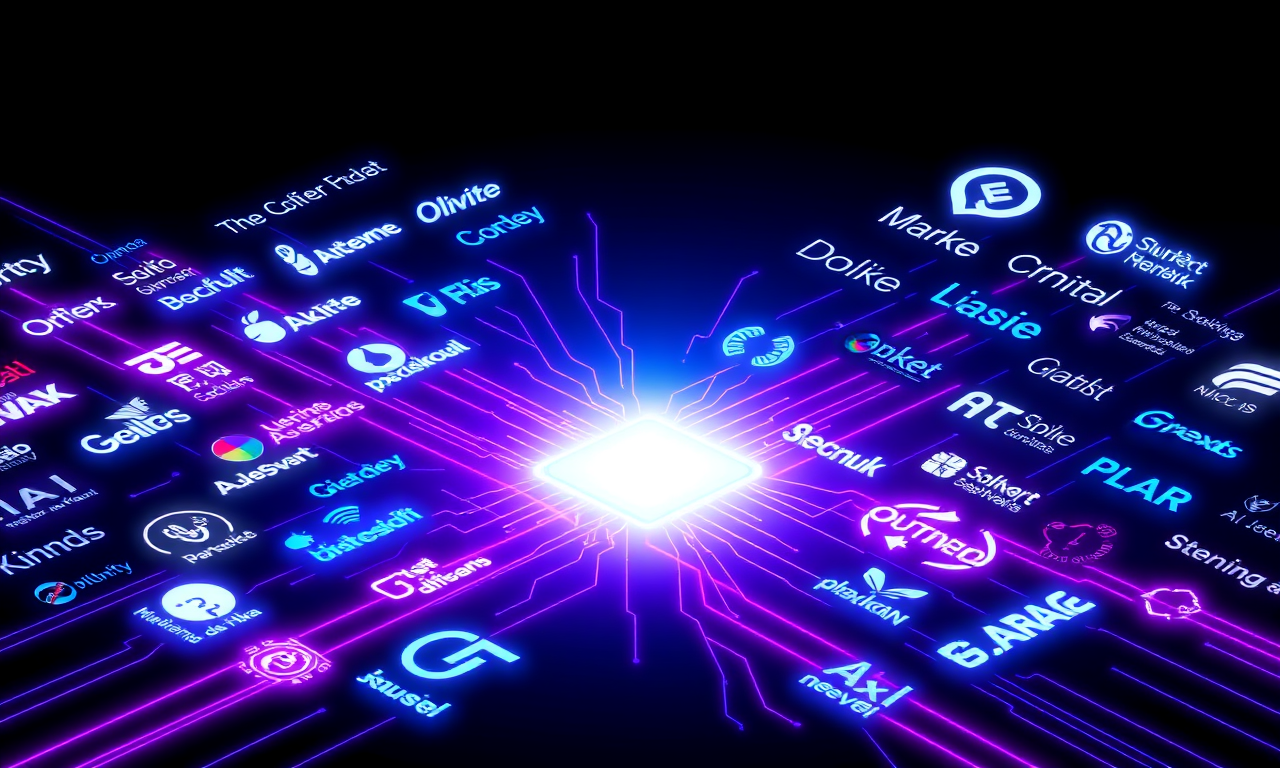
WorkCrafter's dubbing tool does more than translate speech. It can dub a video into another language, clone an existing voice or design a new one, pull music and effects out of a mixed track, and generate sound effects from a text description. This guide explains what each part does, when it makes sense to use it, and the choices that give you clean results instead of awkward ones.
What the dubbing tool covers
The tool brings together several audio and video tasks that are usually separate: voice translation and dubbing, voice cloning and voice design, sound effect generation, and audio source isolation. You can use any of them on their own, or chain them together when a project needs more than one step.
- Dub videos into other languages: translate the speech and generate a dubbed version of the video in the target language.
- Clone a voice: create a voice model that resembles an existing speaker, so later generations can reuse the same character.
- Design a voice from scratch: build a voice with specific traits instead of cloning a real one.
- Isolate audio: separate vocals, music, drums, bass, or other instruments from a mixed recording.
- Generate sound effects: describe a sound and let the model create it.
“Dubbing is not just translated speech. It's the match between what's said, who says it, and what the scene sounds like around it.”— WorkCrafter
Dubbing a video into another language
The dubbing flow takes a video, translates the spoken content, and produces a new version with the translated audio. The goal is not just a literal translation but a version that fits the rhythm and tone of the original as closely as the language allows.
A few things shape how natural the result sounds:
- The source quality. Clean, clear speech translates more faithfully than audio with heavy background noise or overlapping voices.
- The language pair. Some languages translate and dub more smoothly than others. The tool handles a range, but not every pair behaves the same.
- The length and density of the speech. Short, well-structured clips are easier to dub realistically than dense, fast, or heavily colloquial speech.
- The voice you choose. A voice that fits the speaker's age, tone, and context usually lands better than a generic one.
Voice cloning and voice design
Voice cloning and voice design are related but not the same. Cloning starts from an existing voice and tries to reproduce its character. Design starts from a description and builds a voice with the traits you ask for.
Cloning is useful when you want consistency with a real speaker — the same narrator across several pieces, or a voice that belongs to a known person. Design is useful when you want a voice for a character, a brand, or a project where no existing voice is the right starting point.
- Use cloning when the voice itself matters and you want to preserve a recognizable character.
- Use design when you want a voice with specific qualities and you're not tied to an existing speaker.
- For either one, the better the source audio, the better the result. Clear, relatively short samples with minimal background noise give the model more to work with.
- Treat cloned voices as a controlled resource, not a free pass. Using someone's voice without permission is a bad idea, even if the technology makes it possible.
Isolating audio sources
Audio isolation takes a mixed track and separates it into parts — usually vocals, music, drums, bass, or other instruments. This is helpful when you want to reuse one element from a recording, clean up a track before dubbing, or rework audio that was mixed together.
A few common uses:
- Pull the vocals out of a song or mix so you can work with them separately.
- Remove or reduce background elements before dubbing over a clip.
- Recover a voice or instrument from a recording that has too much else going on.
- Create stems from a track you want to rearrange or remix.
Isolation is not magic. The cleaner the original mix, the better the separation. If everything is crowded together, the result may still contain some leakage from the other sources.
Generating sound effects
Sound effect generation turns a text description into an audio effect. The description matters a lot: the more specific and physical the description, the more likely you are to get something usable.
- Describe what happened, not just the category. 'A metal cup falling onto a tile floor' is more useful than 'impact sound'.
- Include the character of the sound when it matters: short, sharp, dull, echoing, wet, heavy.
- If you need a sound for a specific scene, think about the space it's in. Reverberant or enclosed spaces change the feel of the effect.
- Test a few variations. A first generation is often a starting point rather than the final choice.
A practical dubbing workflow
- Start with the source. Clean audio and a clear video make every later step easier.
- Decide what the dubbed version is for. A social clip, a product demo, and a narrative scene may need different priorities from the translation and voice.
- Choose the target language and voice early. The voice should fit the speaker and the scene, not just the language.
- Check the translation before generating the full dub. A translation that reads well on paper can still sound awkward once spoken.
- Generate, listen, and adjust. Small wording or timing changes often improve the result more than starting over with a different model.
- If the project also needs clean audio or effects, handle isolation or sound design at the right point in the chain rather than at the end.
Where dubbing tends to go wrong
- Over-literality. A translation that is technically correct can still sound unnatural if it preserves the original sentence structure too closely.
- Voice mismatch. A voice that doesn't suit the speaker or the scene makes even a good translation feel off.
- Ignoring timing. Dubbed speech that doesn't fit the scene's rhythm can feel disjointed, especially in video.
- Noisy source audio. Background sound, distortion, and overlapping voices make translation and cloning harder.
- Using cloning casually. Voice cloning should be used with care and consent, not as a shortcut around permission.
What it costs
The cost depends on which part of the tool you use and how much audio or video is involved. Dubbing a short clip is cheap relative to a long video with multiple languages and effects. As with the rest of WorkCrafter, the cost is visible before you run the generation, and failed attempts are typically refunded.
Frequently asked questions
Can I dub a video into several languages at once?
You can produce several dubbed versions, one language at a time, from the same source. That's often the practical way to work: generate each language as a separate pass so you can review and adjust each one.
How similar is a cloned voice to the original?
It depends on the source and the model. A good sample can produce a voice that feels close to the original speaker, but it's not an exact copy in every case. Results vary, and cloning is best treated as a strong resemblance tool rather than a perfect reproduction.
Do I need to clean the audio before dubbing?
It helps a lot. If the source has background noise, distortion, or competing sounds, both translation and voice work tend to suffer. If the audio is messy, consider isolating or cleaning it first.
What makes a good sound effect prompt?
A prompt that describes the event, the material, and the feel of the sound. 'Footsteps on gravel, light and quick' is more useful than 'footsteps'. The more physical detail you give, the better the model can aim at the sound you actually want.
Is dubbing a good fit for all videos?
No. It's a strong fit for content where spoken language is the main thing to carry over: tutorials, product videos, talks, and similar material. It's less natural for content where music, atmosphere, or visual storytelling matter more than the speech itself.